PRODUCTS LIST
Inquiry

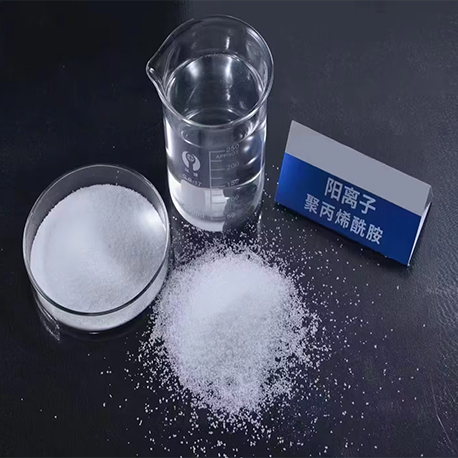
Polyacrylamide(PAM)
Polyacrylamide (PAM) is a linear polymer compound. Due to its various active groups, it can form hydrogen bonds with many substances through affinity and adsorption. It primarily flocculates negatively charged colloids and possesses functions such as turbidity removal, decolorization, adsorption, and adhesion. It is suitable for wastewater treatment with high organic colloid content in industries such as dyeing, papermaking, food processing, construction, metallurgy, mineral processing, coal powder, oil fields, aquatic product processing, and fermentation. It is particularly suitable for dewatering municipal sewage, municipal sludge, papermaking sludge, and other industrial sludge.
Characteristics of polyacrylamide
1. It has good water solubility and dissolves completely even in cold water.
2. Adding a small amount of polyacrylamide product can achieve a significant flocculation effect. Generally, only 0.01~10ppm (0.01~10g/mg) is needed to exert its full effect.
3.Using polyacrylamide products in conjunction with inorganic flocculants (polyferric sulfate, polyalumina, iron salts, etc.) can show even greater effects.
Product application
1. For sludge dewatering: The appropriate model of this product can be selected based on the sludge properties. It effectively dewaters sludge before it enters the filter press. During dewatering, it produces large flocs that do not stick to the filter cloth, do not disperse during pressing, and form a thick sludge cake with high dewatering efficiency and a sludge cake moisture content below 80%.
2. For the treatment of domestic sewage and organic wastewater: This product exhibits cationic properties in both acidic and alkaline media, effectively flocculating and settling negatively charged suspended particles in wastewater, resulting in clarification. It is highly effective for treating wastewater from grain alcohol production, papermaking, municipal sewage treatment plants, breweries, monosodium glutamate factories, sugar refining, wastewater with high organic content, feed wastewater, and textile dyeing and printing wastewater. Cationic polyacrylamide is several times or even tens of times more effective than anionic, nonionic polyacrylamide, or inorganic salts because these types of wastewater generally carry a negative charge.
3. A flocculant used in the treatment of tap water sourced from rivers. It requires a small dosage, is highly effective, and has a low cost. Its effect is even better when used in combination with inorganic flocculants. It will become a highly efficient flocculant for water treatment plants in the Yangtze River, Yellow River, and other river basins.
4. A strengthening agent and other additives for papermaking. It improves the retention rate of fillers and pigments, and enhances paper strength.
5. An oilfield chemical additive, such as a clay anti-swelling agent and an acidifying agent for oilfields.
6.A textile sizing agent. It provides stable sizing properties, reduces sizing loss, lowers fabric breakage rate, and results in a smooth fabric surface.
Usage instructions/Packaging / Storage
1. Granular polyacrylamide cannot be added directly to wastewater. It must be dissolved in water before use, and the resulting aqueous solution is used to treat the wastewater.
2. The water used to dissolve the granular polymer should be clean (such as tap water) at room temperature; heating is generally not required. Dissolution is very slow below 5℃. Increasing the water temperature accelerates the dissolution rate, but temperatures above 40℃ will accelerate polymer degradation, affecting the effectiveness. Generally, tap water is suitable for preparing polymer solutions. Strong acids, strong alkalis, and water with high salt content are not suitable for preparation.
3. The recommended polymer solution concentration is 0.1%–0.3%, i.e., 1–3 g of polyacrylamide per liter of water.
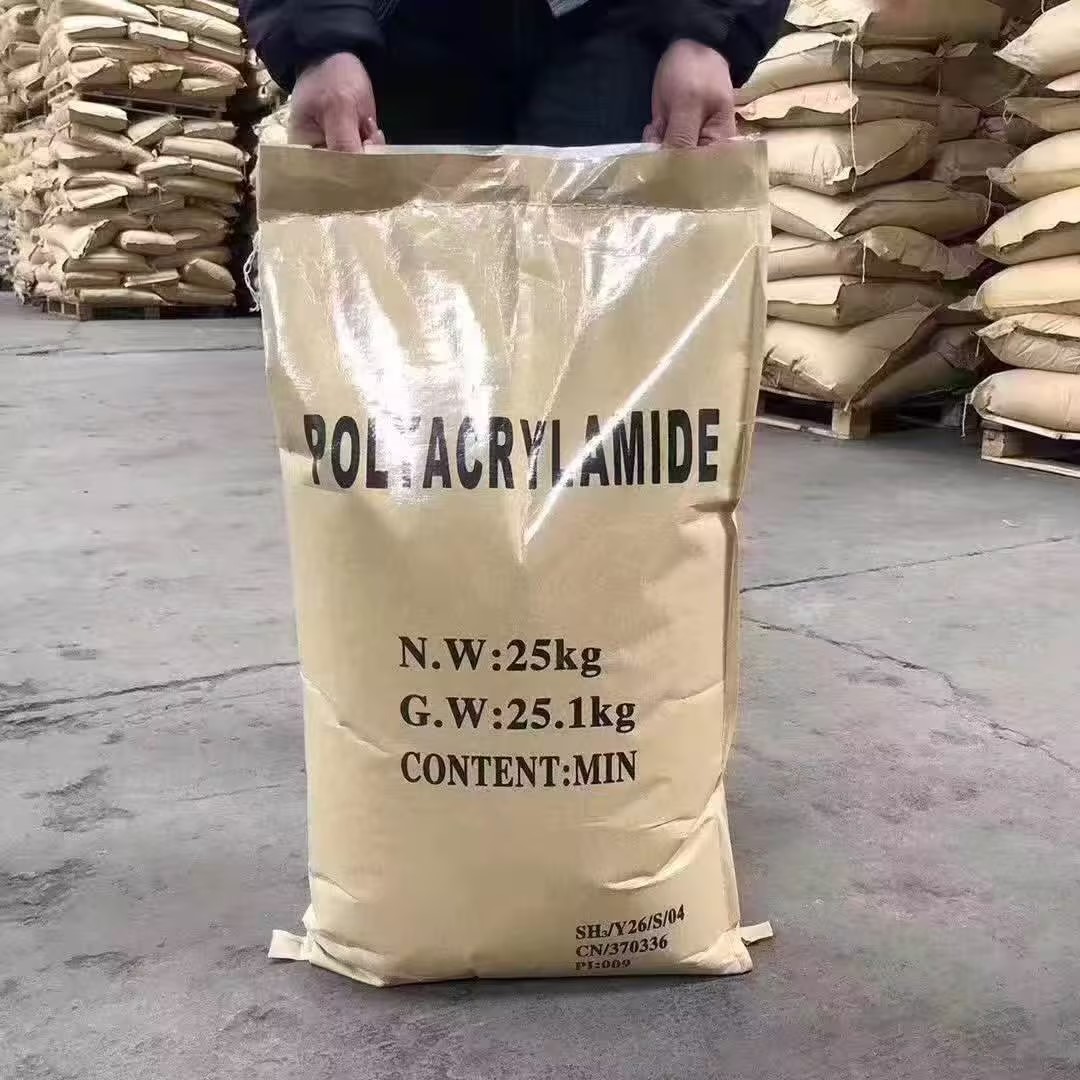
4. This product is non-toxic. Protect from moisture and rain, and avoid direct sunlight. Shelf life: 2 years. Packaged in 25kg paper bags (inner plastic bag, outer plastic-coated kraft paper bag).


